Try one regional product and one everyday Chilean dish; they tell different parts of the story.
From the sea
Centolla, the southern king crab, is the name many visitors arrive knowing. It can appear simply served or in richer preparations such as chupe or an empanada. Fish and other shellfish also matter. Ask what is in season and available now; do not assume a restaurant always has fresh crab, and check the price before ordering.
From the land
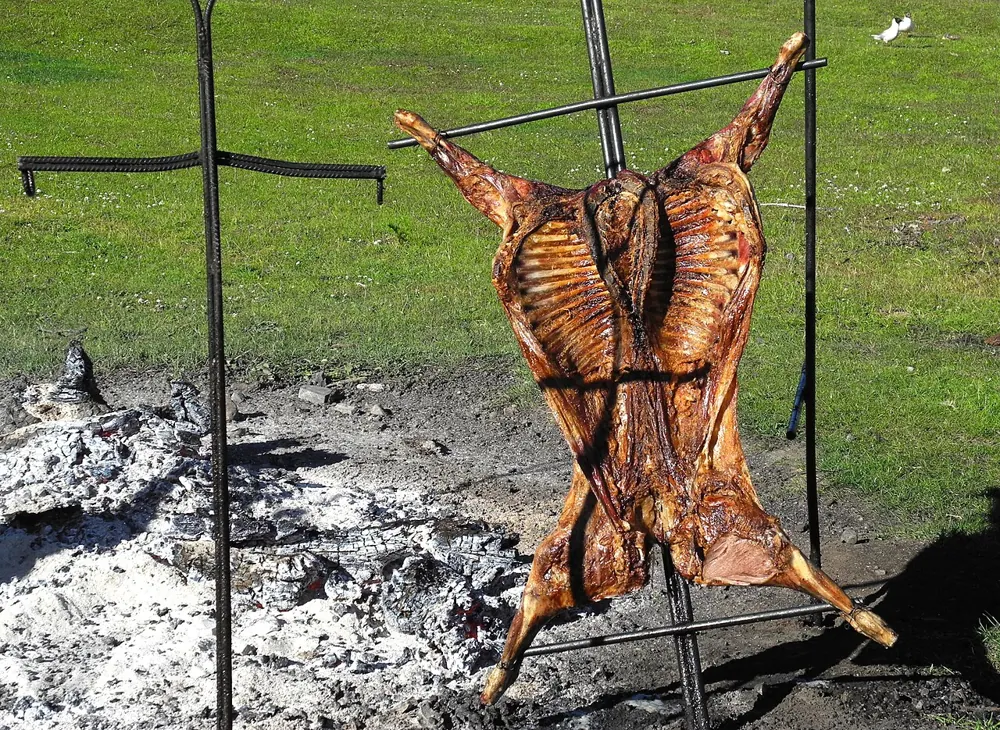
Cordero patagónico, often associated with slow roasting, reflects the region's ranching history. Calafate appears in sweets, preserves or drinks. Each has a strong regional association, but recipes and sourcing vary between kitchens. A good menu should be able to tell you where its ingredients come from.
From the Chilean home table
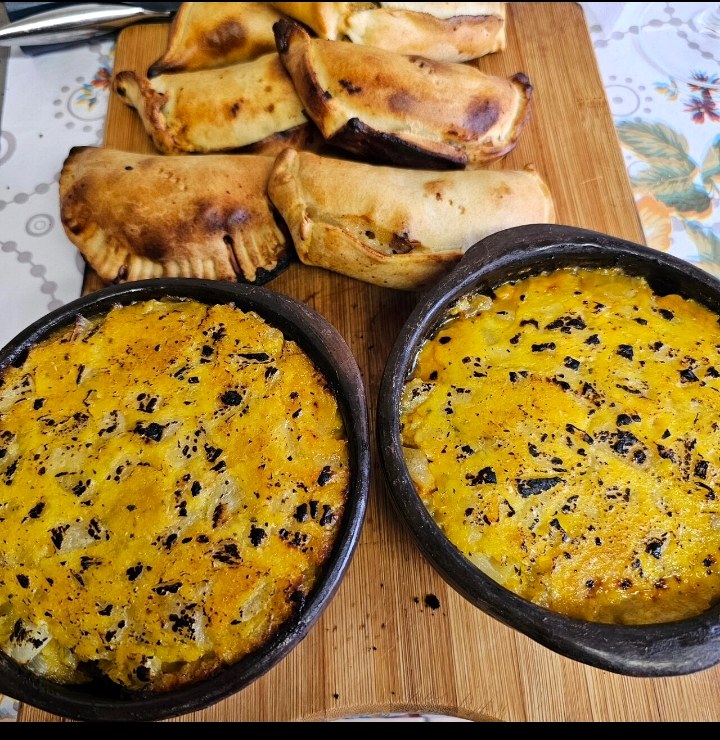
Empanadas de pino, pastel de choclo and mote con huesillos are Chilean classics rather than foods exclusive to Magallanes. That distinction matters. In Punta Arenas they can sit beside regional seafood and lamb, illustrating how a city at the southern end of Chile remains connected to national food traditions.
How to taste with curiosity
Ask what a dish contains, how it is prepared and whether it is a local product or a Chilean classic. The answer is often more interesting than a social-media checklist. Our cooking passport lets you explore three Chilean recipes and questions at your own pace; La Oveja's class brings those dishes into a shared kitchen in Punta Arenas.
Centolla without the guesswork
Centolla is southern king crab. A plain serving lets the meat speak; chupe turns it into a richer baked or creamy dish, and fillings may appear in empanadas. Check whether the menu refers to centolla, another crab or a mixed seafood preparation. Availability and price vary, so ask both before ordering. Merluza austral and other fish can be equally rewarding if crab is unavailable.
Why lamb and calafate belong here
Sheep ranching deeply shaped the region's economy and landscape, which gives cordero patagónico a historical as well as a culinary place. 'Al palo' describes a slow roasting method, not a guarantee that every lamb dish is made the same way. Calafate is a Patagonian berry used in preserves, desserts and drinks; try it as a flavour rather than treating every commercial bottle as a direct expression of the landscape.
A tasting order for a short visit
If you have one meal, decide whether you want sea, land or a Chilean home dish. If you have a day, try one regional product and a familiar local snack. If you have two evenings, compare a restaurant preparation with something made or explained around a table. Ask about ingredients and the cook's own version: empanadas and pastel de choclo have many household variations. This is a more useful memory than collecting a checklist of expensive plates.
Hours, availability, transport and weather can change. Confirm any time-sensitive detail with the venue, operator or your ship before committing to a schedule.
Sources and further reading
These references support the regional context. They do not replace checking a provider's current schedule.
Where to eat in Punta Arenas: choose by appetite, not a ranking
A local way to choose food in Punta Arenas, from a quick Chilean snack to seafood and a slow dinner, with questions to ask before you go.
Read the guide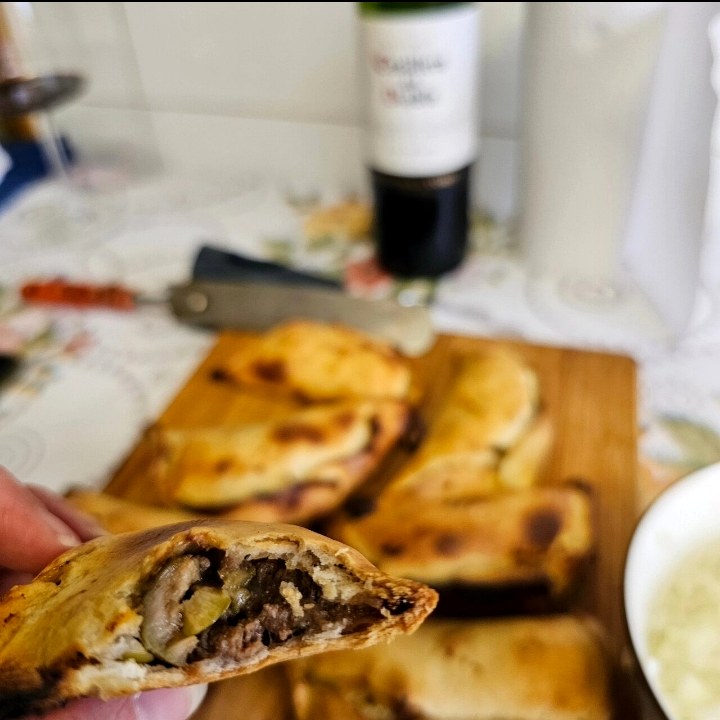
Chilean wine with Patagonian food: where to begin
An approachable guide to pairing Chilean wines with Magallanes seafood, lamb and home-style dishes without pretending the region is a vineyard destination.
Read the guide
A rest day in Puerto Natales after the W Trek
A gentle Puerto Natales day after the W Circuit: food, waterfront, laundry, onward transport and options when your legs need a break.
Read the guide