
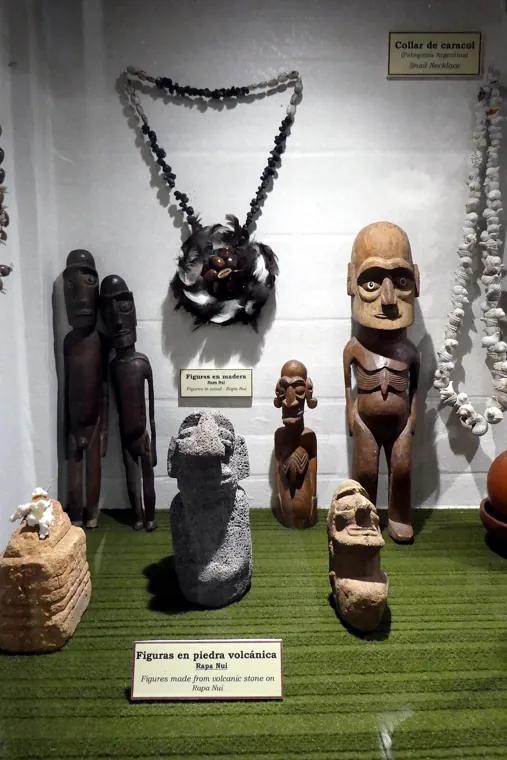
Choose a history stop, a waterfront stroll and a meal; leave room for weather and rest.
A city shaped by water
Walk a manageable stretch of the waterfront and take in the Strait. Before the Panama Canal, it was a major route between the Atlantic and Pacific. The port, buildings and monuments become more interesting once you see the city through that maritime history.
Museums and difficult histories
Museo Nao Victoria uses ship replicas to make exploration tangible. Museo Salesiano Maggiorino Borgatello offers another window on the region. The Museo Regional is listed as closed for restoration; check its current status before including it. Indigenous histories are not merely a preface to European navigation. Aónikenk, Selk'nam, Kawésqar and Yagán peoples are part of the region's past and present, and colonial violence should be described honestly.
Food as an activity
Visit a market, ask a restaurant about local seafood, or spend time learning to cook. La Oveja's Punta Arenas class is a hands-on option for travellers who prefer conversation and a shared meal to a tour bus. Wine tasting is another way to explore Chile, though Chile's vineyards are far to the north of this city.
Match the plan to your body and the day
The central streets are walkable for many visitors, but wind, rain and distances to outlying attractions change the effort involved. Take a taxi or arranged transfer when that improves the day. If you need accessibility details, check each venue rather than relying on a general label such as 'easy'.
A low-effort day in three parts
Begin with a short waterfront stretch and the central square. Use a taxi when the wind or your mobility makes longer walks unpleasant. Spend the middle of the day in one museum; add a restaurant, café or cooking activity later. This is a full cultural day, not an apology for skipping a trail. Check museum access, seating and bathrooms directly if you need specific accommodations.
Read the region beyond exploration stories
The Strait matters to world navigation, but the region's history does not begin with European ships. Aónikenk, Selk'nam, Kawésqar and Yagán communities have distinct histories and living descendants. Dispossession and colonial violence are part of the story; avoid treating people as vanished characters in a museum. Use the museum visit as an opening to seek Indigenous voices and current cultural work as well as older exhibits.
Choose according to the weather
If the forecast is rough, favour a museum and a long lunch, with a short shore visit if conditions improve. If it is clear, spend longer watching the Strait and combine it with a viewpoint or cemetery visit. Distances and inclines vary; ask about entrances and transport when planning for children or limited mobility. Good food and a conversation can make the city feel more specific than a hurried scenic drive.
Hours, availability, transport and weather can change. Confirm any time-sensitive detail with the venue, operator or your ship before committing to a schedule.
Sources and further reading
These references support the regional context. They do not replace checking a provider's current schedule.
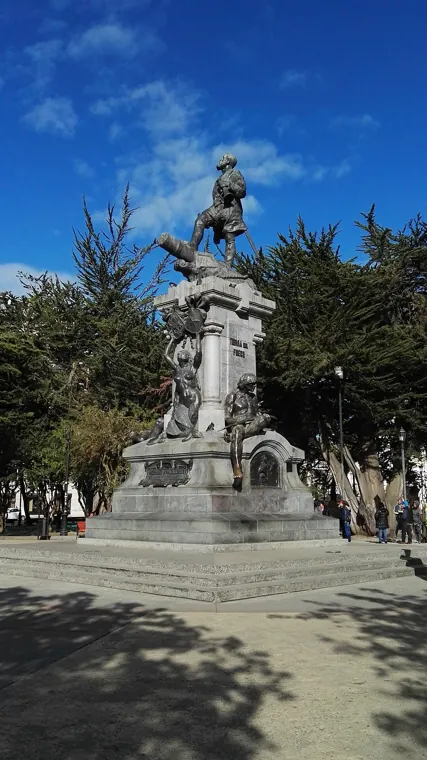
One day in Punta Arenas: a local-paced itinerary
How to spend a full day in Punta Arenas with the Strait, city history, food and room to change plans in Patagonian weather.
Read the guide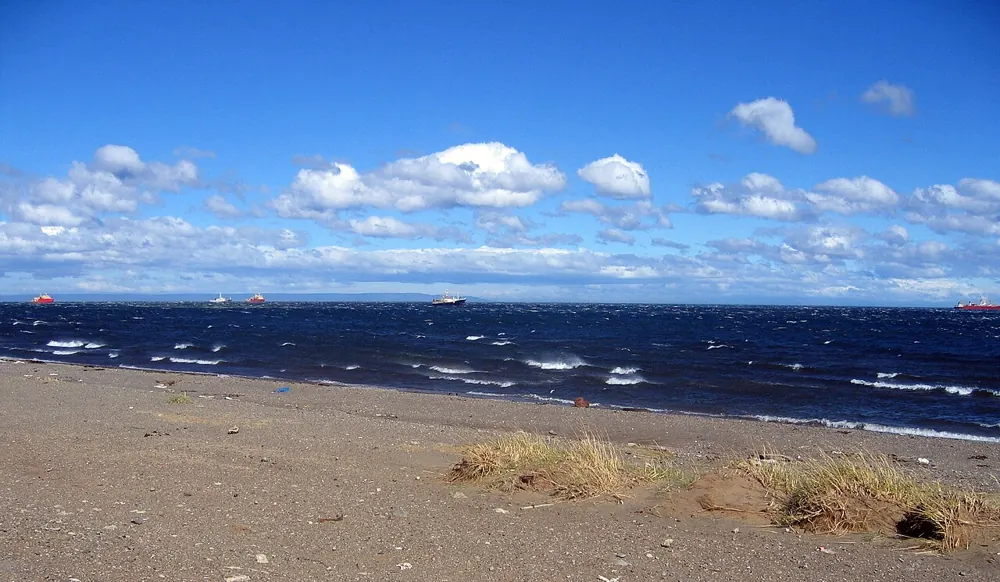
Is Punta Arenas worth visiting after Torres del Paine?
A candid guide to whether to add Punta Arenas after the W or O Circuit, with transport, energy and flight plans in mind.
Read the guide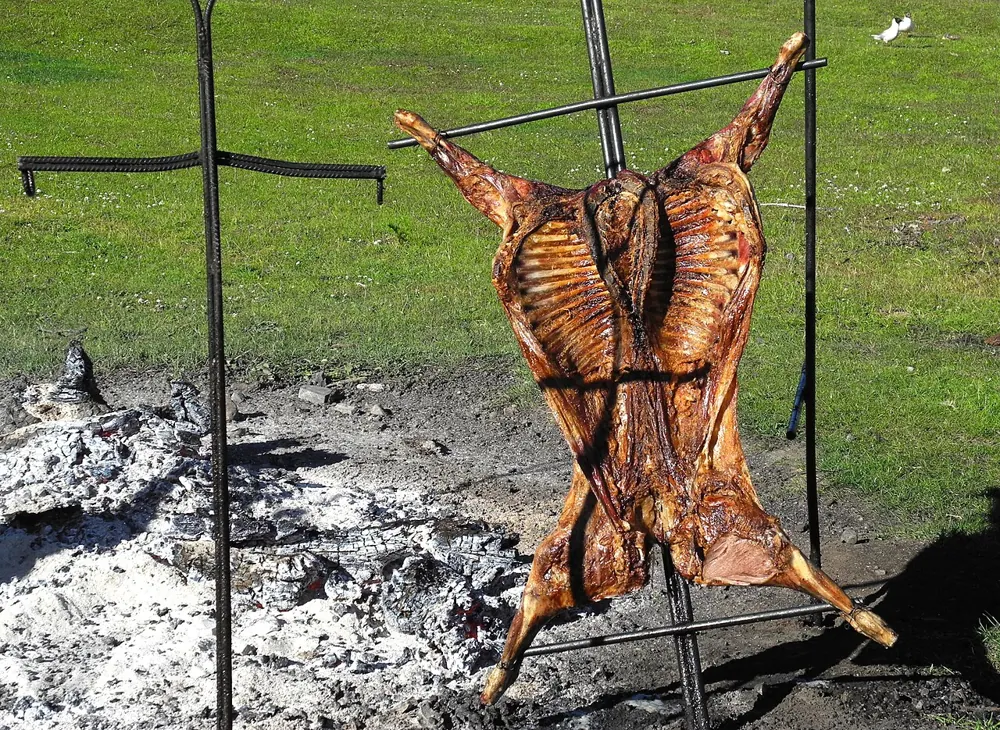
What to eat in Punta Arenas and Magallanes
King crab, lamb, calafate and Chilean home cooking: a guide to the foods visitors ask about in Magallanes and what each tells you.
Read the guide